

Dr. Rodolfo Rafael Subero Testani
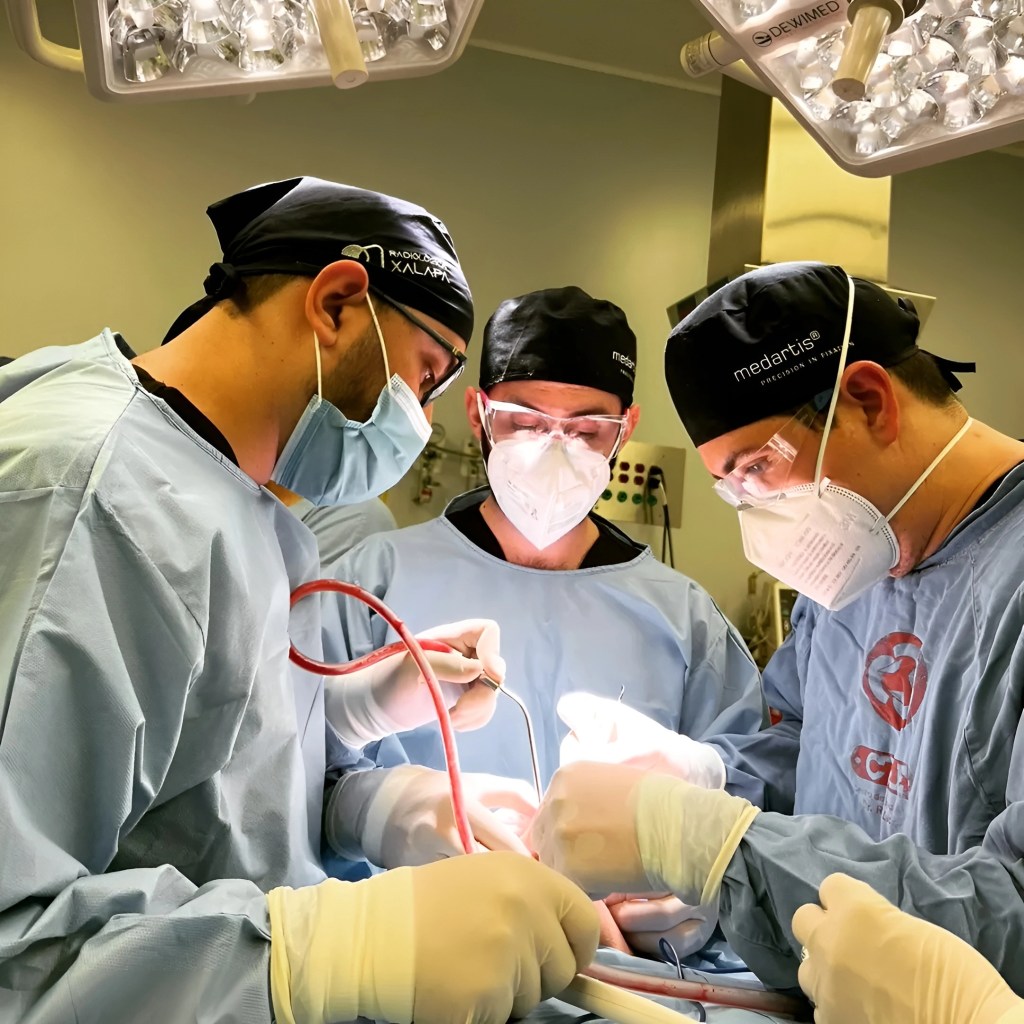
Choosing a board-certified oral and maxillofacial surgeon is a smart and safe decision. This select group of specialists is distinguished by its commitment to excellence, providing you with peace of mind and confidence at every step of your treatment.
Certification in maxillofacial surgery ensures that the specialist has reached a high level of competence, is committed to continuing education, and adheres to the most rigorous standards of care. It’s a guaranty that your treatment is being performed by highly trained professionals.
TREATMENTS

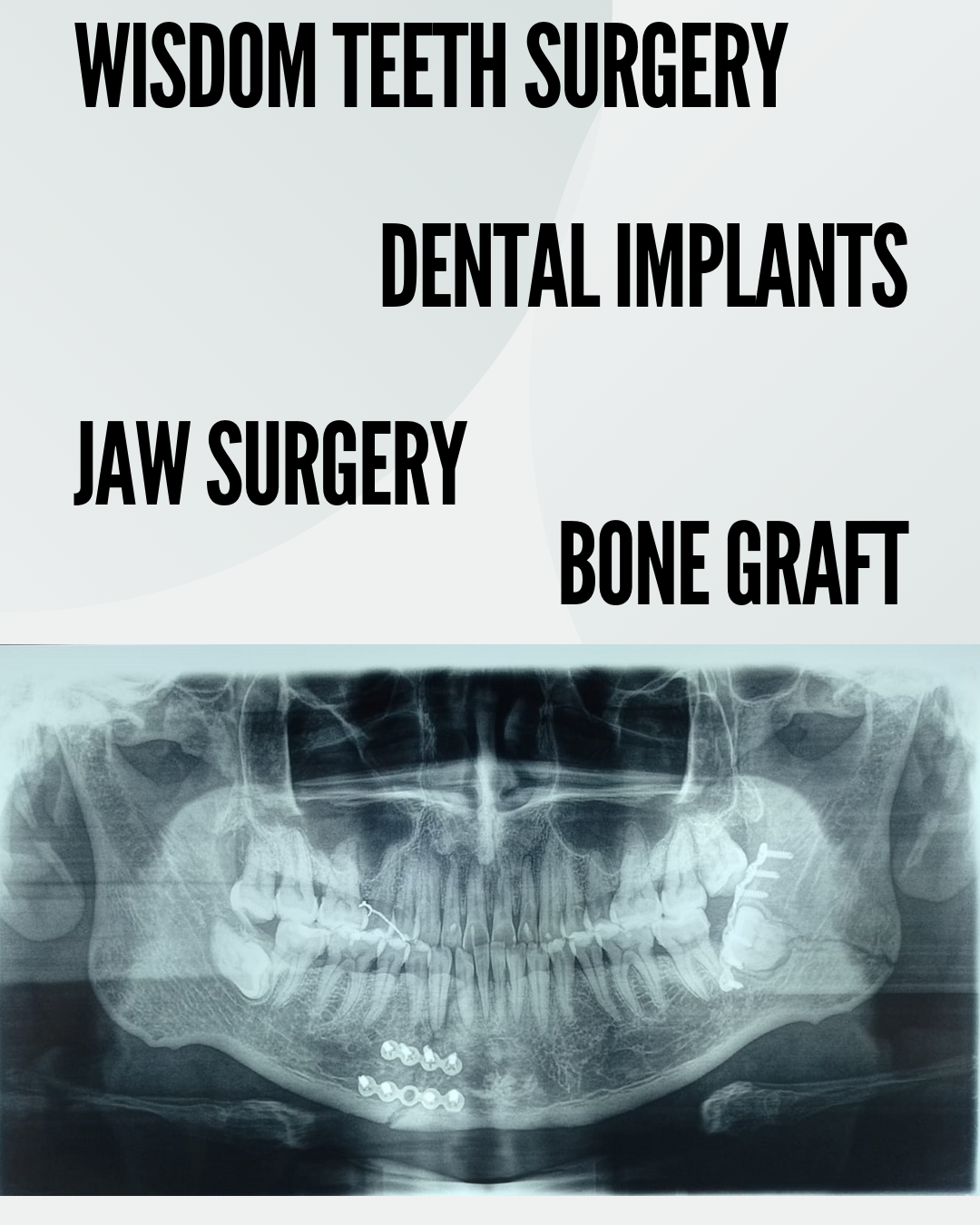
Wisdom Tooth Surgery
Also known as wisdom tooth extraction, it is a key procedure performed by a board-certified oral and maxillofacial surgeon, ensuring precise intervention, minimizing risks, and guaranteeing a fast, painless recovery.
Dental Implants
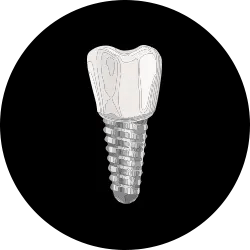
The best solution for replacing missing teeth safely, functionally, and esthetically. As maxillofacial surgeons, we guaranty precise placement, minimizing risks and optimizing the implant’s integration with the bone.

Facial Trauma
Facial trauma includes injuries such as mandibular fractures, midfacial fractures, dentoalveolar trauma and facial wounds. These injuries can affect the patient’s function and appearance, so they require specialized management. The oral and maxillofacial surgeon is the specialist best suited to ensure optimal recovery with advanced, precise techniques.

Facial Profiling
Two key procedures are combined: buccal fat pad removal (bichectomy) and submental liposuction, to achieve a more defined and harmonious face. Performed by a maxillofacial surgeon, these procedures are safe, precise, and deliver natural-looking results that enhance your facial esthetics.
Jaw Surgery
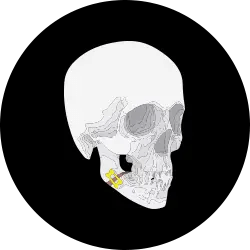
A procedure designed to correct jaw misalignments and achieve perfect facial balance. It not only improves esthetics but also optimizes bite, breathing, and joint function, delivering stable and long-lasting results.

Cleft Lip / Cleft Palate
Cleft lip and palate require a multidisciplinary approach to ensure the best functional and esthetic outcome. Correcting this condition early improves feeding, breathing, and speech, as well as boosting the patient’s confidence and quality of life. It is essential to follow each phase of treatment with a board-certified oral and maxillofacial surgeon.
TMJ Disorders
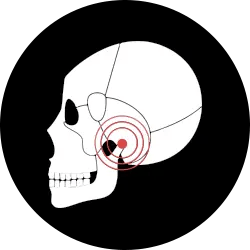
Jaw pain, clicking when opening the mouth, difficulty chewing, or facial tension may be signs of a temporomandibular joint (TMJ) disorder. A maxillofacial surgeon is the appropriate specialist to diagnose and treat these conditions thru personalized therapies that restore function and relieve pain.

Oral and Maxillofacial Pathology
Many oral and maxillofacial lesions begin without pain or obvious symptoms, but timely diagnosis can prevent serious complications. Cysts, benign and malignant tumors, persistent ulcers, and changes in the gums or oral mucosa can be warning signs.
FAQ’s
Why should a maxillofacial surgeon extract them and not a general dentist?
A maxillofacial surgeon has the necessary specialization and experience to perform extractions safely and precisely. This procedure can be complex, and a specialist ensures less discomfort, a lower risk of complications, and a faster recovery.
Do I really need to have my wisdom teeth extracted if they don’t hurt?
Yes. Wisdom teeth can not only cause crowding or infections, but they can also develop cysts or tumors that grow without symptoms for years. Additionally, they promote the accumulation of bacteria, increasing the risk of cavities in nearby teeth.
When is the best time to have my wisdom teeth extracted?
The best time is before they cause problems. Generally, between the ages of 15 and 25 is ideal, as recovery is faster and future complications are avoided.
Show more…
Which specialist treats fractures of the mandible and maxilla?
The oral and maxillofacial surgeon is the specialist best suited to treat fractures of the mandible and maxilla. His training in surgery and facial anatomy enables him to precisely reconstruct and stabilize the affected bones, ensuring proper recovery and functionality.
Is the implant placement procedure painful?
No. It is performed under local anesthesia or, in some cases, with sedation, so you won’t feel any pain. Furthermore, since the procedure is performed by an oral and maxillofacial surgeon, it is precise and involves minimal postoperative discomfort.
What is a dental implant and why is it the best option for replacing a missing tooth?
A dental implant is an artificial titanium root that is placed in the maxillary or mandibular bone to support a crown (artificial tooth). It’s the best option because it looks, functions, and feels like a natural tooth, preventing bone resorption and problems with other teeth.
Does Botox help treat temporomandibular joint pain?
Yes. Botox is an effective alternative for relieving TMJ pain, as it relaxes the jaw muscles, reducing tension and pain.
How are cysts, tumors, and lesions in the mouth diagnosed?
Clinical examination: The mouth and jaws are examined.
X-rays and CT scans: To see the size and location of the lesion.
Biopsy: A small sample is taken to determine whether it is benign or malignant.
Early diagnosis can prevent aggressive treatments and improve the prognosis.
What are the benefits of orthognathic surgery?
Better chewing function
Greater facial harmony and confidence in appearance
Relief from jaw and joint pain
Better breathing and sleep quality.

Av 16 de Septiembre 804, Las Fuentes, 26010 Piedras Negras.

Second Floor, Office 212,
Hospital Ingles.



Monday – Friday
9:00 – 13:00
15:00 – 19:00
Saturday
9:00 – 14:00